Nigeria is undergoing one of its most ambitious fiscal transformations in decades, but the rollout of the new tax reform bill has revealed notable drafting errors that could affect businesses and individuals.
Recently, Taiwo Oyedele, Chairman of the Presidential Committee on Fiscal Policy and Tax Reforms, confirmed that the proposed legislation contains clerical mistakes and inconsistencies that must be corrected before final implementation.
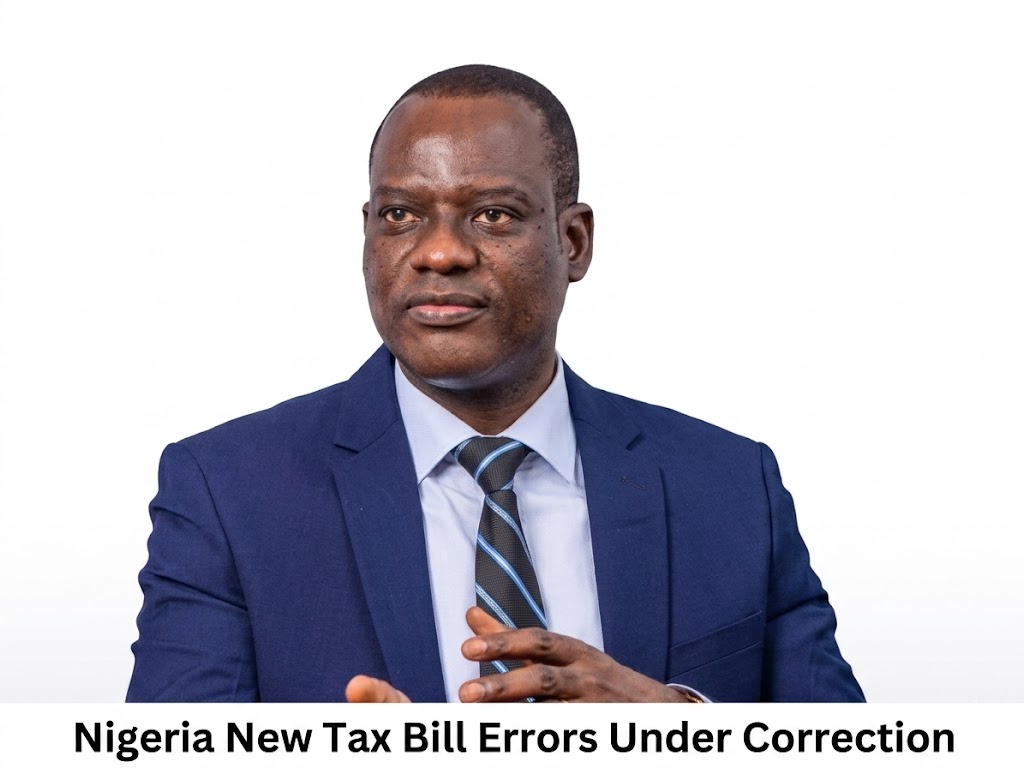
While the government remains committed to building a simpler, fairer, and more transparent tax system, these technical glitches have sparked widespread debate across Nigeria’s economic and business landscape.
What Caused the Errors in Nigeria’s Tax Bill?
According to official explanations, the issues stem from:
- Manual drafting processes during bill preparation
- Multiple review stages leading to inconsistencies
- Unaligned revisions between earlier harmonized drafts and final submissions
These factors resulted in missing definitions, ambiguous wording, and structural gaps within key provisions of the bill.
“We are committed to ensuring the final laws are foolproof.” — Taiwo Oyedele
Major Issues Identified in the Tax Reform Bill
Although some errors are minor, others could have serious financial implications. Here are the most critical concerns raised by analysts and tax experts:
1. Legal Ambiguity Around “Community”
Some sections impose taxes on individuals and companies but exclude “communities,” despite the term being defined elsewhere. This inconsistency could lead to legal disputes and enforcement challenges.
2. Unclear Rules on Foreign Profit Taxation
There are uncertainties about how undistributed foreign earnings will be taxed. Without clarification, businesses could face unintended tax rates of up to 30%.
3. Currency Conversion Challenges
The bill introduces strict rules on foreign currency expense deductions but does not adequately address the volatility of the Nigerian Naira, potentially disadvantaging international businesses.
4. VAT and Deductible Expenses Conflict
A possible “catch-22” exists where expenses without VAT may not qualify as deductible—creating confusion and compliance risks for companies.
5. Inflation and Capital Gains Tax Concerns
Experts are pushing for cost indexation, ensuring that capital gains tax reflects real profits rather than inflation-driven increases in asset values.
Government’s Plan to Fix the Tax Bill
The reform committee has assured stakeholders that corrections are already underway. A revised version of the bill is expected to address all identified gaps.
Key Improvements to Expect:
- Full Harmonization: Aligning the final bill with the original policy intent
- Clearer Tax Exemptions: Protecting low-income earners and small businesses
- Inflation Adjustments: Preventing unfair taxation on capital gains
- Improved Clarity: Eliminating ambiguous language and contradictions
Why Nigeria’s Tax Reform Still Matters
Despite these setbacks, the broader objectives of the reform remain critical to Nigeria’s economic future.
Key Benefits of the Reform:
- Reduced Tax Burden on Low-Income Earners
- Stronger Support for Small and Informal Businesses
- Greater Transparency in Tax Administration
- Improved Investor Confidence and Policy Stability
The reform aims to create a more predictable and business-friendly environment, which is essential for attracting both local and foreign investment.
What This Means for Businesses and Individuals
For now, taxpayers are advised to stay informed and cautious as updates are finalized. The government has emphasized that these corrections are part of a thorough review process—not a rollback of the reform.
Businesses, especially those dealing with foreign transactions or complex tax structures, should monitor developments closely and seek professional guidance where necessary.
Final Thoughts
Nigeria’s new tax reform bill represents a bold step toward a modernized fiscal system. While the discovery of drafting errors has slowed momentum, it also highlights the government’s willingness to refine and improve the legislation.
Once corrected, the reform has the potential to deliver a fairer, more efficient tax framework that supports economic growth and long-term stability.