For many Kenyans, the dream of “going back to the village” is often stalled by the high cost of construction. However, 2026 has ushered in a game-changer. Following the approval of the Affordable Housing Regulations 2025, the government has officially rolled out the Ksh 4 Million Rural Housing Loan under the Affordable Housing Fund.
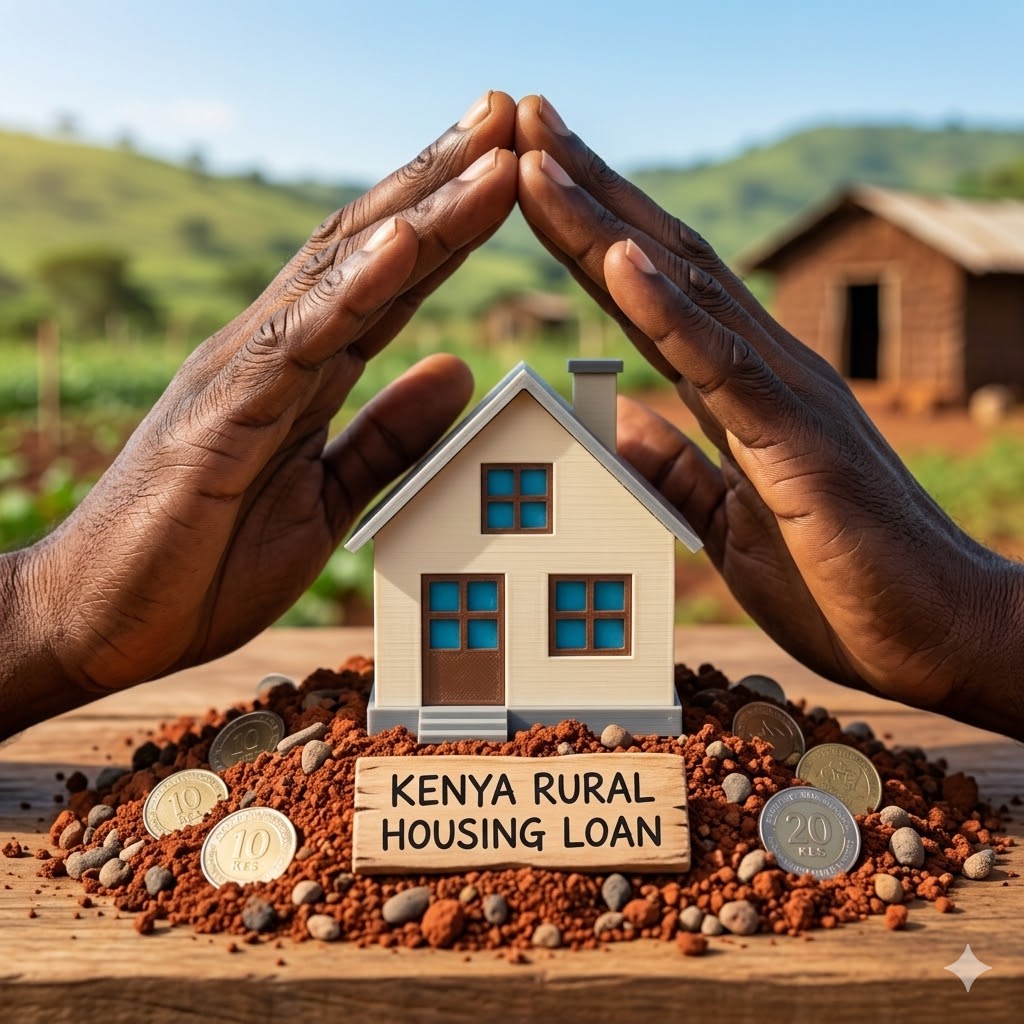
This initiative is designed to ensure that the “Affordable Housing” dream isn’t just for city dwellers in high-rise apartments, but also for those who wish to build decent, permanent homes on their ancestral or purchased rural land.
Fresh Details: What’s New in 2026?
Unlike previous housing schemes, this fund specifically targets rural and peri-urban development. The key highlights include:
- Maximum Loan: Up to Ksh 4 Million.
- Interest Rate: Highly subsidized, often cited at approximately 3% per annum (subject to Board review), making it the cheapest mortgage option in the country.
- Repayment Period: Long-term flexibility of up to 25 years.
- Purpose: Exclusively for the construction of a residential house in a rural area.
Who Can Apply?
The eligibility criteria are designed to be inclusive, targeting low and middle-income earners:
- Kenyan Citizens: Must be 18 years and above with a valid ID.
- Boma Yangu Members: You must be registered on the Boma Yangu portal and have a history of voluntary savings with the Affordable Housing Fund.
- First-Time Beneficiaries: You must not have been allocated another affordable housing unit previously.
- Land Owners: You must have a valid title deed for the land where you intend to build.
Key Requirements for Application
To qualify for the Ksh 4 million, you need more than just a dream; you need paperwork. Ensure you have:
- Proof of Land Ownership: An original Title Deed and a recent Official Land Search.
- Development Permission: Approved building plans from your respective County Government.
- Priced Bill of Quantities (BQ): A detailed cost estimate from a certified Quantity Surveyor.
- Valuation Report: A report from a registered valuer to determine the value of the land/property.
- Financial Records: Evidence of your ability to repay (e.g., payslips for the employed or bank statements for the self-employed).
- Insurance: A mandatory life insurance cover and fire insurance for the property once construction begins.
How to Apply: A Step-by-Step Guide
The application process is now largely digitized to enhance transparency.
- Register: If you haven’t already, dial *832# or visit the Boma Yangu portal to register.
- Save: Start or continue making voluntary contributions. Your savings history is a key factor in the Board’s approval process.
- Document Preparation: Gather the technical documents (BQ, approved plans, and title search).
- Submit Application: Applications are submitted electronically through the Boma Yangu or eCitizen portal.
- Assessment: The Affordable Housing Board will verify your documents and assess your creditworthiness.
- Disbursement: If approved, a formal agreement is signed, a charge is registered against your title deed, and the funds are released—usually in phases—directly to your account or the contractors.
Expert Advice and Tips for Success
- Boost Your Savings: The Board prioritizes those with a consistent savings track record. Even small, regular amounts matter.
- Get Your Titles Ready: Land succession issues are the biggest hurdle. If the land is still in a deceased relative’s name, start the succession process immediately.
- Be Realistic with the BQ: Don’t inflate costs. The Board compares your Bill of Quantities with market rates; if it’s unrealistic, your application may be flagged.
- Use Certified Professionals: Using “quack” surveyors or architects will lead to automatic rejection. Ensure your professionals are registered with BORAQS.
Conclusion
The Ksh 4 million rural housing loan is a massive opportunity to upgrade your lifestyle and secure your family’s future. By bringing the “Affordable Housing” agenda to the village, the government is making it possible for every Kenyan to own a dignified home without the burden of high-interest commercial bank loans.
Are you planning to build in the village this year, or is land ownership still your biggest challenge?